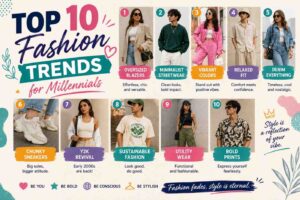
Top 10 Fashion Trends for Millennials: A Complete Style Guide for 2026
Millennial fashion continues to evolve as a direct reflection of changing lifestyles, digital influence, and a growing awareness of sustainability, comfort, and self-expression. In 2026, fashion is no longer defined only by appearance—it has become a representation of identity, values, and everyday practicality. Millennials are moving away from rigid style rules and instead embracing flexible, personalized wardrobes that adapt to different aspects of modern life.
From streetwear culture and athleisure to gender-neutral clothing and eco-conscious fashion choices, millennials are reshaping the global fashion industry in a way that blends individuality with functionality. Social media, influencer culture, and digital fashion platforms continue to accelerate these trends, making style more accessible, diverse, and constantly evolving.
In this expanded guide, we explore each major fashion trend in greater depth, not only focusing on what is popular but also explaining why these styles matter in 2026 and how they align with modern lifestyles. This helps create a clearer understanding of how millennial fashion is shaping the future of global style.
Evolution of Millennial Fashion
Millennial fashion has undergone a significant transformation over the past two decades, moving from trend-driven consumption to a more thoughtful and purpose-driven approach. Earlier, fast fashion dominated wardrobes, with quick-changing styles influenced by celebrities and retail cycles. However, today’s millennials are far more selective, prioritizing quality, sustainability, and long-term value in their clothing choices.
Digital culture has played a major role in shaping this evolution. Social media platforms such as Instagram, TikTok, and Pinterest have turned fashion into a constantly evolving visual language. Millennials are now both consumers and creators of style trends, often influenced by global aesthetics in real time. This has led to a more diverse fashion landscape where personal expression is more important than following strict rules.
Another key shift is the increasing demand for comfort-driven clothing. With hybrid work environments becoming the norm, millennials prefer versatile outfits that transition easily between professional and casual settings. This has blurred the lines between formal wear and everyday fashion.
Overall, the evolution of millennial fashion reflects a broader lifestyle change—one that values authenticity, sustainability, and adaptability over rigid fashion cycles.
| Fashion Trend | Core Idea | Key Style Elements | Why Millennials Prefer It | Example Brands |
|---|---|---|---|---|
| Streetwear Fashion | Urban-inspired casual fashion with cultural influence | Oversized hoodies, sneakers, graphic tees, cargo pants | Combines comfort, identity, and self-expression | Nike, Adidas |
| Athleisure Style | Blend of sportswear and everyday clothing | Joggers, leggings, breathable tops | Supports active + hybrid lifestyle | Nike, Adidas |
| Sustainable Fashion | Eco-conscious clothing choices | Organic fabrics, recycled materials, minimal waste production | Environmental awareness and ethical consumption | H&M Conscious, Zara Sustainable |
| Minimalist Fashion | Simple and functional wardrobe style | Neutral colors, capsule wardrobe pieces | Reduces clutter and improves versatility | Levi’s basics |
| Gender-Neutral Fashion | Clothing without gender boundaries | Loose fits, neutral tones, unisex designs | Promotes inclusivity and freedom of expression | Zara, H&M |
| Tech-Infused Fashion | Smart clothing and wearable technology | Smart fabrics, fitness wearables | Innovation + lifestyle convenience | Nike Tech |
| Vintage Revival | Retro-inspired fashion comeback | 90s sunglasses, classic denim, retro jackets | Nostalgia + unique identity | Levi’s, thrift brands |
From Fast Fashion to Conscious Dressing
Millennials initially embraced fast fashion due to its affordability and accessibility, but over time, awareness of its environmental and ethical impact has grown significantly. Brands like Zara and H&M once defined everyday shopping habits, offering quick and trendy collections that changed frequently. However, this model also led to concerns about waste, overproduction, and poor labor practices.
Today, many millennials are shifting toward conscious dressing, which emphasizes mindful purchasing decisions. Instead of buying large quantities of low-cost items, they focus on fewer, high-quality pieces that last longer. This shift is also supported by growing interest in second-hand shopping, thrift culture, and clothing rental services. Conscious dressing encourages individuals to consider the lifecycle of their clothing and its environmental footprint.
Influence of Digital Culture
Digital culture has completely reshaped how millennials interact with fashion. Social media platforms act as real-time trend engines, where styles can go viral within hours. Influencers, fashion bloggers, and even everyday users contribute to shaping global fashion narratives.
This constant exposure to diverse aesthetics has made millennial fashion more experimental and inclusive. Trends are no longer dictated solely by luxury houses but by online communities that celebrate individuality. Algorithms also play a role by curating personalized fashion content, making style inspiration more accessible than ever before.
Comfort-First Lifestyle Shift
Comfort has become a defining factor in millennial fashion choices. With more people working remotely or in hybrid roles, clothing needs to support flexibility and ease of movement. This shift has popularized relaxed silhouettes, soft fabrics, and multifunctional outfits.
Joggers, oversized shirts, and stretchable materials are now wardrobe essentials. The focus is no longer just on appearance but also on how clothing feels throughout the day. This comfort-first mindset reflects a broader lifestyle change where well-being and practicality are prioritized alongside style.
The Frequently Asked Questions section is designed to provide quick, clear, and direct answers to the most common queries related to the topic. It helps readers easily find important information without having to read the entire article in detail.
This section improves overall user experience by simplifying complex information into short, structured responses. It is especially useful for clarifying doubts, summarizing key points, and addressing practical concerns that readers may have.
From an SEO perspective, Frequently Asked Questions also play an important role by targeting common search queries and improving content visibility. This makes the article more useful, searchable, and engaging for a wider audience.
What are the top fashion trends for millennials right now?
Millennials today are embracing a diverse mix of fashion styles that balance comfort, identity, and practicality. The most popular trends include streetwear, athleisure, sustainable fashion, and minimalist capsule wardrobes. These styles reflect a shift toward clothing that is both functional and expressive.
What defines millennial fashion in 2026 is the focus on versatility and self-expression. Instead of following rigid fashion rules, millennials prefer adaptable outfits that work across different settings such as work, travel, and social life, while still reflecting personal values and lifestyle choices.
Why is sustainable fashion important for millennials?
Sustainable fashion is important to millennials because it directly addresses environmental concerns and ethical production practices. This generation is more aware of climate change, pollution, and labor conditions, leading them to support brands that prioritize responsibility and transparency.
By choosing sustainable clothing, millennials contribute to reducing waste and supporting long-lasting, eco-friendly materials. This shift also encourages fashion brands to adopt greener production methods, making the industry more environmentally conscious overall.
Is streetwear still popular in 2026?
Yes, streetwear continues to be one of the most influential fashion styles in 2026. Its popularity comes from its comfort, cultural relevance, and ability to evolve with modern trends. Streetwear blends casual clothing with high-fashion elements, making it suitable for a wide audience.
The style remains fresh due to collaborations between sportswear brands, luxury designers, and social media influencers. This constant innovation keeps streetwear relevant and ensures it continues to shape global fashion culture.
What is a capsule wardrobe?
A capsule wardrobe is a carefully selected collection of essential clothing pieces that can be mixed and matched to create multiple outfits. It focuses on simplicity, quality, and versatility rather than quantity.
This approach helps reduce clutter, save money, and promote more mindful shopping habits. It is especially popular among millennials who prefer minimalism and sustainable living.
How do millennials choose fashion styles today?
Millennials choose fashion based on a combination of comfort, sustainability, personal identity, and digital influence. Social media platforms like Instagram and TikTok play a major role in shaping their style preferences.
They tend to prioritize versatile clothing that fits different aspects of their lifestyle, including work, travel, and leisure. As a result, fashion choices are more personalized and value-driven than ever before.
What brands are popular in millennial fashion?
Popular brands among millennials include Nike, Adidas, Zara, H&M, and Levi’s. These brands remain relevant because they successfully combine affordability, style, and innovation while adapting to changing fashion trends.
Their strong presence in both streetwear and casual fashion makes them accessible and appealing to a wide audience. Many of these brands also invest in sustainability and digital marketing, which further strengthens their popularity among millennials.
Conclusion
The Top 10 Fashion Trends for Millennials reflect a major transformation in modern style, where fashion is no longer just about appearance but also about values, comfort, and lifestyle. From sustainable choices to streetwear culture and minimalist wardrobes, millennials are shaping a fashion identity that is practical, expressive, and socially aware.
As trends continue to evolve, the core direction remains consistent—fashion is becoming more personal, conscious, and adaptable. Millennials are leading this change by choosing clothing that reflects who they are, how they live, and what they believe in.